Cloned number plates: the DVLA's new online reporting service
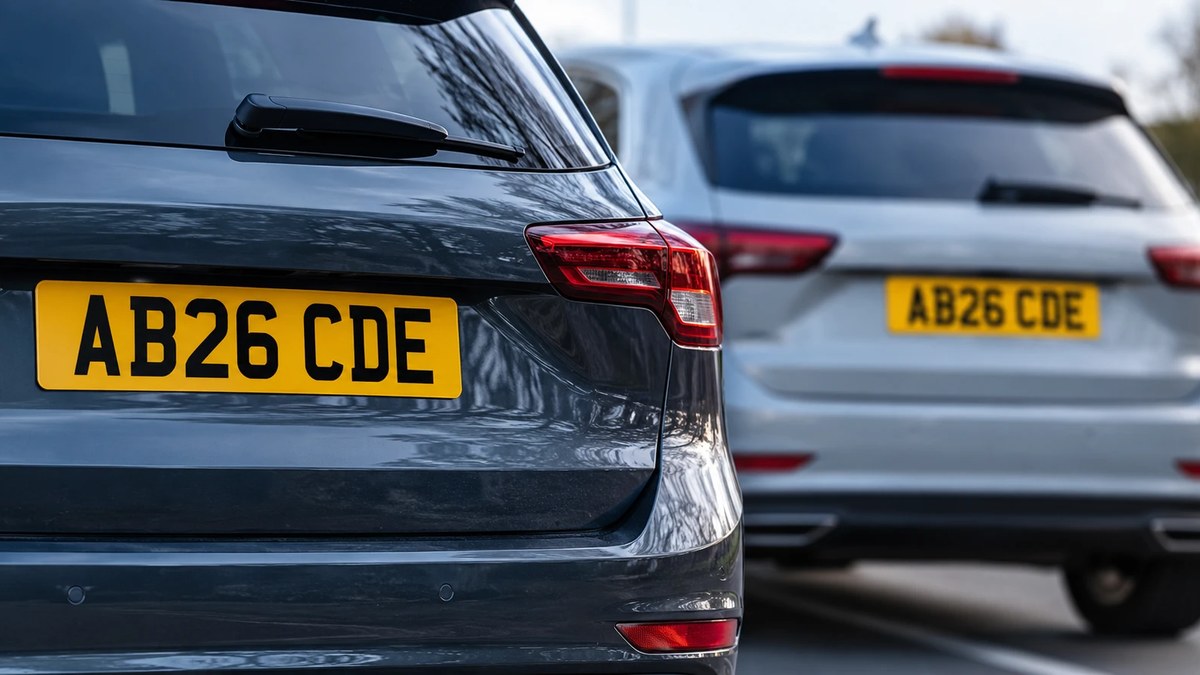
Cloned number plates now have their own reporting route. In October 2026 the DVLA and police forces in England and Wales launched an online service that lets a motorist or a business report a suspected clone once, through their local police force's website, with the report passed to the DVLA automatically. Until now a victim had to contact both organisations separately and give the same details twice.
This guide is for plate suppliers, dealers, fleet operators and anyone in the trade who gets asked about cloning over the counter. It covers what cloning is, what the new service does and does not do, what to tell a customer who has been cloned, and what the wider crackdown on illegal plates means for the people who make and sell them.
What number plate cloning is
Cloning is copying a legitimate registration and displaying it on another vehicle, usually one of the same make, model and colour so the plate does not look out of place. The cloned vehicle then carries the identity of a car that is taxed, insured and registered to someone else.
Criminals clone plates to avoid detection. Speeding and parking penalties, clean air zone charges and automatic number plate recognition (ANPR) hits all land on the genuine keeper, and the same cover is used for theft and organised crime. Research by policing estimates that criminal activity facilitated by cloned number plates costs society at least £30 million a year.
For the genuine keeper the first sign is usually a fine for somewhere they have never been. Clearing it means proving the vehicle was elsewhere, often to several authorities at once, and the next notice can arrive before the first is resolved.
What the new reporting service does
The service is a dedicated form on police force websites, delivered through the Single Online Home platform that most forces in England and Wales use. Instead of a general crime report, it asks for the details an investigation into a cloned registration needs.
Once a report is submitted:
- the reporter receives a reference code confirming the report has been recorded
- the information is shared with the DVLA, which can log the suspected cloning against the vehicle's record
- the police force can flag the registration on its systems, which helps officers tell the genuine vehicle from the clone at a later stop or camera hit
The reporter can add information later, for example when a further penalty notice arrives. Reports can be made on behalf of another person with the registered keeper's permission, and the service is open to businesses, fleet operators, leasing companies and other organisations that suspect one of their registrations has been cloned.
What the service does not do
Reporting a clone does not cancel anything. A speeding fine, a parking charge or a clean air zone penalty still has to be disputed with the authority that issued it. Neither the police nor the DVLA can contest a penalty on the keeper's behalf. The report gives the keeper a reference and a record to quote in those disputes, which is useful, but the disputes are still theirs to make.
The joint process applies in England and Wales. Motorists in Scotland and Northern Ireland should follow the reporting guidance on GOV.UK.
How to report a cloned number plate
- Go to the website of the police force for the area where the vehicle is registered, not where the offence happened.
- Find the reporting section and open the cloned number plate form.
- Give the vehicle details and the evidence: the penalty notices, the dates and places involved, and anything that shows the genuine vehicle was elsewhere.
- Keep the reference code. Quote it when disputing each penalty with its issuer.
- Add to the report if further notices arrive. The police may get in touch for more detail.
What to tell a customer who has been cloned
Dealers and workshops hear about cloning before the DVLA does, because the keeper turns up asking why a fine has arrived from a city they have never visited. Three things help.
First, point them to the new form on their police force's website and tell them to keep the reference code. Second, tell them each penalty has to be disputed separately with whoever issued it, with the reference quoted. Third, advise them to gather proof that the genuine vehicle was elsewhere on the dates in question, such as dashcam footage, workshop invoices or a parking receipt.
If the keeper wants to put distance between their car and the clone, a replacement registration is a DVLA matter. For a plate that has been physically stolen rather than copied, the steps are in the guide to a lost or stolen number plate.
Where cloning starts: the counter
A cloned plate has to be made by someone. The Registered Number Plate Supplier (RNPS) scheme exists so that it is hard to buy a plate for a registration you are not entitled to, and the new reporting service only works at the back end if suppliers do their part at the front.
That means the same discipline on every sale: proof of identity, proof of entitlement to the registration, and a record of who bought what and when. The RNPS record keeping guide sets out what the DVLA expects a supplier to hold and for how long. A supplier who sells a plate without those checks is the weak link the whole system depends on not existing, and the penalties fall on the supplier.
Be alert to the patterns. A customer with a registration that does not match the vehicle documents, a request for a plate for a car that is not present and cannot be evidenced, or a reluctance to show identification are all reasons to decline. A refused sale costs nothing. A plate that ends up on a cloned vehicle can cost the supplier their registration.
Part of a wider crackdown on illegal plates
The reporting service is one strand of a programme the government, the police and the DVLA are running on illegal number plates. The government's Road Safety Strategy sets out several areas for further work: a review of the number plate standard, more robust checks on number plate suppliers, and tougher penalties for drivers displaying illegal plates, with penalty points and vehicle seizure under consideration.
For the trade, the second of those is the one to watch. More robust checks on suppliers means the RNPS register, the record keeping and the entitlement checks are likely to be inspected more often and more closely. The ghost number plates guide covers the enforcement side of the same programme and what it asks of a supplier.
What this means for fleets and dealer groups
An operator with hundreds of vehicles is more likely to be cloned and more likely to be hit with a stream of penalties before anyone joins the dots. The new service helps in two ways. A business can report in its own name, and the reference code gives the fleet administrator one number to attach to every disputed notice for that registration.
It also makes the case for keeping plate supply tight. A group that buys plates through one registered supplier, with a record of every plate made against every registration, can show exactly which plates it has had made and when. That record is the first thing an investigator will ask for and the quickest way to prove a plate on the road was not one of yours.
Cloned number plates with Sandhurst Autoprint
Sandhurst Autoprint has supplied the motor trade with number plates since 1997 and supports the measures that protect motorists and the integrity of the registration system. Every ready made plate we supply is made to BS AU 145e and carries the supplier details the regulations require, and we keep the records that go with it. Accounts that make their own plates from our number plate components get the same traceability through the supplier mark on every blank.
If you supply plates and want a partner who takes the compliance side as seriously as you do, talk to your Support Manager or open a trade account. Questions about the new reporting service or the wider crackdown are welcome through our contact page.
Cloned plate checklist for the trade
- Know where the new reporting form lives on your local police force's website.
- Tell cloned customers to report once, keep the reference, and dispute each penalty with its issuer.
- Check identity and entitlement on every plate sale, and keep the record.
- Decline any sale where the registration and the evidence do not line up.
- Fleets: report in the business name and attach the reference to every disputed notice.
- Expect closer checks on suppliers as the Road Safety Strategy work continues.
Frequently asked questions
What is number plate cloning?
Cloning is copying a legitimate registration and displaying it on another vehicle, usually one of the same make, model and colour. The genuine keeper then receives the fines and penalty notices earned by the clone.
How do I report a cloned number plate?
Go to the website of the police force for the area where the vehicle is registered, find the reporting section and complete the cloned number plate form. You receive a reference code and the report is shared with the DVLA automatically.
Does reporting a cloned plate cancel my fines?
No. The report records the cloning with the police and the DVLA, but every fine or penalty notice still has to be disputed with the authority that issued it. Neither the police nor the DVLA can contest a penalty on your behalf.
Can a business report a cloned registration?
Yes. The service is open to businesses, fleet operators, leasing companies and other organisations, and a report can be made on behalf of another person with the registered keeper's permission.
Does the new cloning service cover Scotland and Northern Ireland?
No. The joint police and DVLA process applies in England and Wales. Motorists elsewhere in the UK should follow the reporting guidance on GOV.UK.
What should a plate supplier do if asked to make a plate they suspect is for cloning?
Refuse the sale. A registered supplier must see proof of identity and proof of entitlement to the registration before supplying a plate, and must keep a record of each sale. A customer who cannot show entitlement does not get a plate.
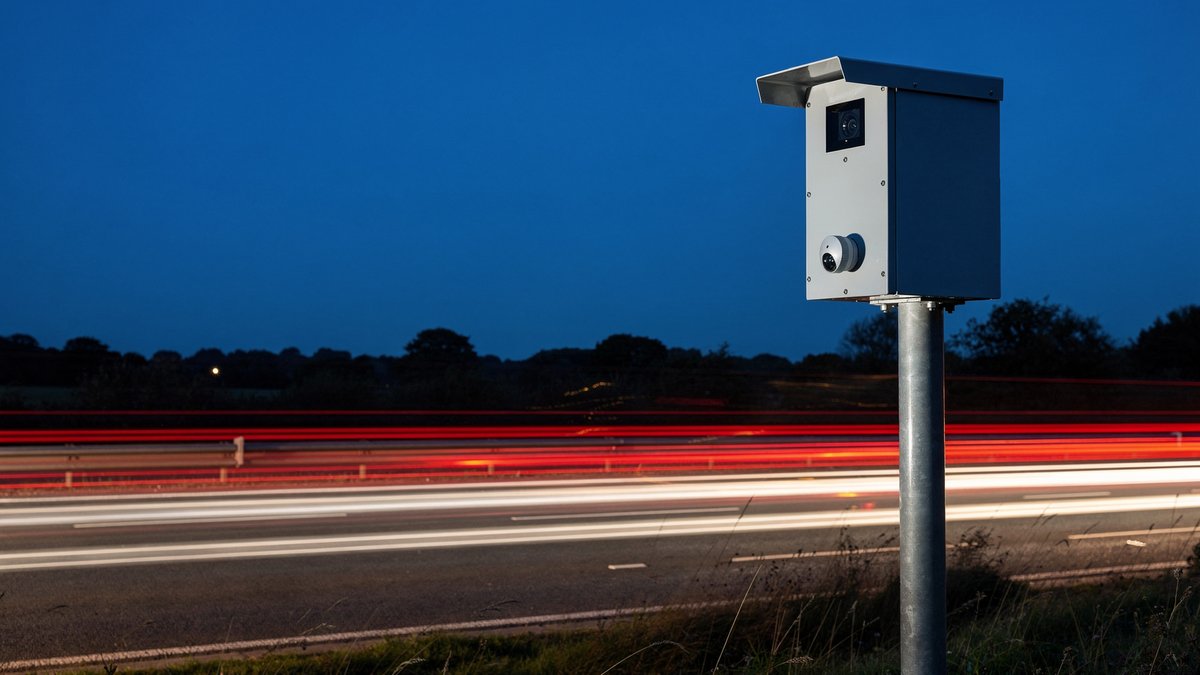
Ghost number plates: what the crackdown means for plate suppliers
A national crackdown on ghost number plates has put plate suppliers in the spotlight. What the law already says, what is still under review, and how to protect your counter and your records.
Read article →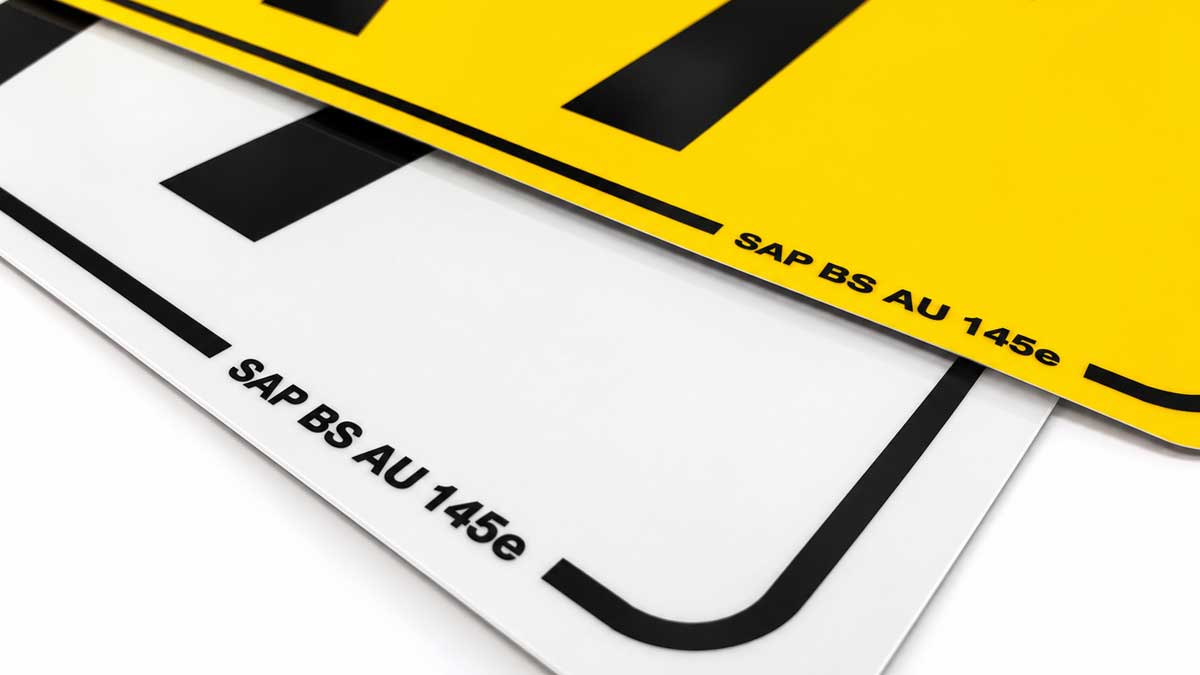
BS AU 145e: what a supplier is actually required to do
The standard changed in September 2021 and the obligations sit with the supplier, not the motorist. A plain English breakdown of solid black characters, flag placement, plate sizes and record keeping.
Read article →