What to do if your number plate is lost or stolen
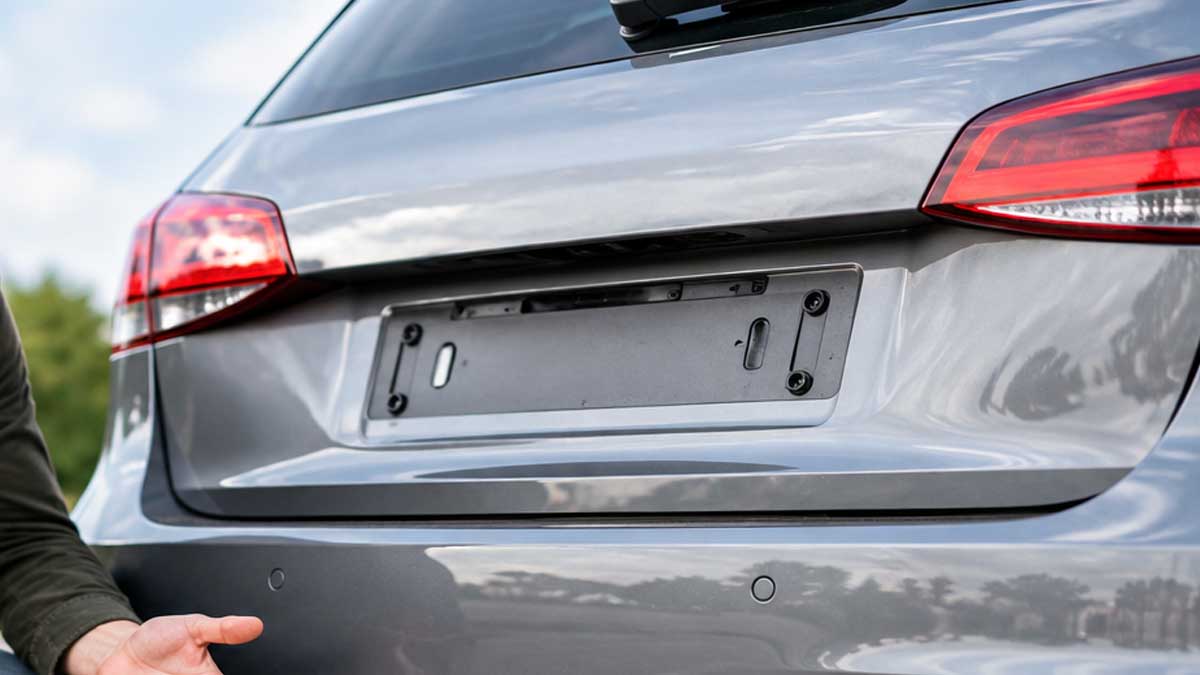
A missing number plate is easy to shrug off. It might have come loose in a car wash or fallen off over a speed bump. But a stolen plate can end up on another car, and the fines for that car's journeys will come to you.
This guide covers what to do if your plate is lost or stolen, how to get legal replacement plates, and how to tell if your registration has been cloned.
Lost or stolen?
Start by working out what probably happened.
- Lost plates usually come off after damage, a loose fixing or an automatic car wash. Often only one plate is missing, and the fixings are broken or gone.
- Stolen plates are usually removed cleanly. Both plates may be gone, and the screws may have been taken out rather than snapped.
If there is any chance the plate was stolen, treat it as stolen. It costs you nothing, and it protects you if the plate turns up on another vehicle.
What to do straight away
- Report it to the police. Use the non-emergency number, 101, or your local force's online reporting form. Ask for a crime reference number and keep it safe.
- Tell your insurer. Some policies cover replacement plates, and your insurer may want the crime reference number.
- Keep a record. Note the date, time and place you noticed the plate was missing. Photograph the car and any damage to the fixings.
- Order replacement plates. You must display a front and rear plate to drive legally, so get new ones as soon as you can.
Getting legal replacement plates
Replacement plates must come from a supplier registered with the DVLA's Register of Number Plate Suppliers (RNPS). A registered supplier has to check your documents before making the plates. That is what stops criminals getting plates for your registration.
Take two things with you:
- Proof of identity, such as a driving licence, a passport, or a utility bill or bank statement from the last six months
- Proof of entitlement to the registration, usually your V5C logbook
If your logbook is lost too, other documents can prove entitlement, such as the V5C/2 new keeper slip or a V11 tax reminder. A registered supplier can tell you what they will accept.
Be wary of any seller who will make plates without seeing your documents. That is illegal, and it is exactly how cloned plates get made.
Your new plates must meet the British Standard, BS AU 145e. Our legal plate examples show what a compliant plate looks like next to one that is not.
Driving without a plate
Driving with a missing front or rear plate is illegal. You can be fined up to £1,000, and your car will fail its MOT.
If a plate goes missing while you are away from home, get a replacement from a registered supplier before you drive any further than you need to.
How to spot a cloned number plate
Number plate cloning is when criminals copy a real registration onto another vehicle. They often choose a car of the same make and model as yours, so the copy is harder to spot. Stolen plates are one way they get a registration. Illegal plate makers are another.
The usual warning signs are:
- a speeding notice, parking ticket or congestion charge for a place you have not been
- a penalty notice photo showing a car that is not yours, such as a different model, colour or wheel style
- a toll or clean air zone charge for a journey you did not make
- a call from the police about an incident involving your registration
What to do if your plates have been cloned
- Report it to the police and get a crime reference number.
- Tell the DVLA. Contact DVLA vehicle enquiries on 0300 790 6802 and give them your crime reference number.
- Gather evidence of where you and your car really were, such as work records, fuel receipts, dashcam footage or photos showing the differences between your car and the clone.
- Challenge every fine in writing. Send the issuing authority your crime reference number and your evidence. Keep copies of everything you send.
- Keep going. Cloned plates can generate fines for months. Reply to each one, and give the police any new information.
If cloning keeps happening, ask the DVLA whether a new registration number is an option for your vehicle.
How to protect your plates
- Use security screws. Anti-theft, one-way screws make plates much harder to remove quickly.
- Check your plates regularly. A loose or damaged plate is easier to steal and more likely to fall off.
- Park in well-lit, busy areas where possible.
- Keep your V5C safe at home, never in the car. A stolen logbook can be used to get plates made.
- Only buy plates from a registered supplier. A legitimate supplier checks documents every time.
Find a registered supplier
Sandhurst Autoprint supplies number plate components and ready made plates to registered number plate suppliers, garages and dealers across the UK. We do not sell plates to the public. We can point you to a registered supplier who can make legal replacement plates for your car.
Contact us to find a registered supplier near you.
Frequently asked questions
Should I report a stolen number plate to the police?
Yes. Report it straight away and ask for a crime reference number. You will need it if fines or charges arrive for journeys you did not make.
Can I drive without a number plate?
No. Your vehicle must display a front and rear number plate. Driving without one can lead to a fine of up to £1,000.
What do I need to buy replacement number plates?
Proof of your name and address, such as a driving licence, and proof that you are entitled to the registration, such as your V5C logbook. The plates must come from a registered number plate supplier.
How do I know if my number plate has been cloned?
The usual sign is a fine, parking ticket, speeding notice or congestion charge for a place you have not been, often showing a car of a different make, model or colour.
Who do I tell if my number plate has been cloned?
Report it to the police and get a crime reference number. Then tell the DVLA, and send evidence to any organisation that has issued you a fine.
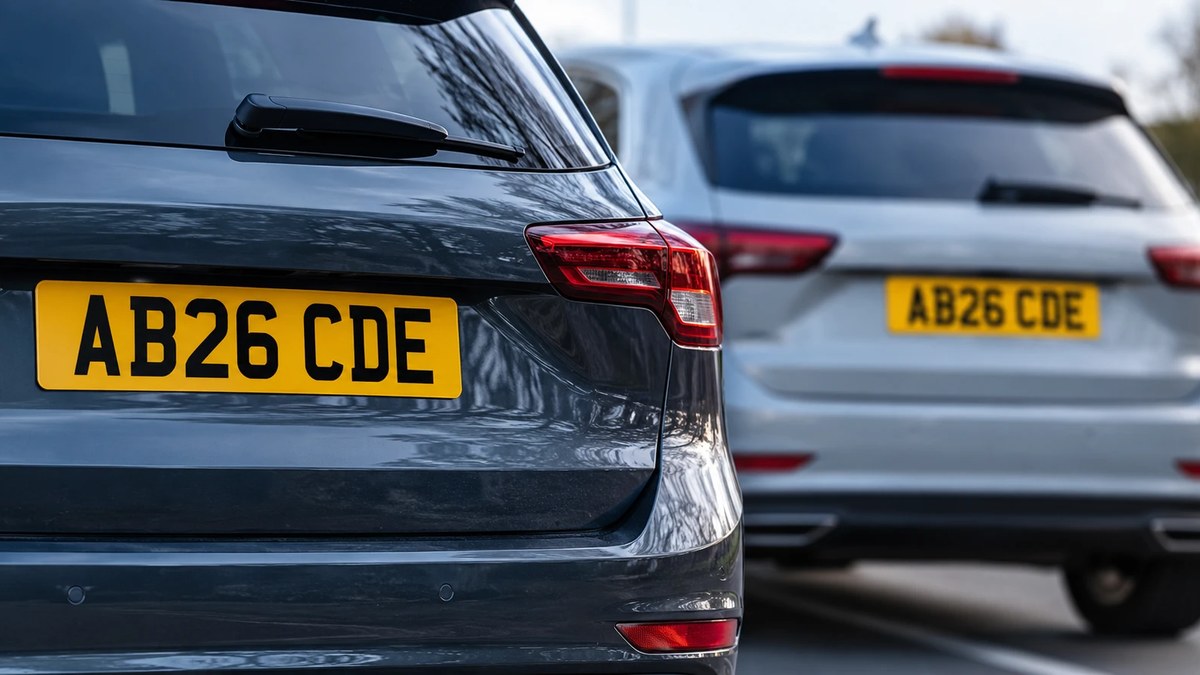
Cloned number plates: the DVLA's new online reporting service
The DVLA and police in England and Wales have launched a single online form for reporting cloned number plates. What it does, what it does not do, and what the crackdown means for plate suppliers.
Read article →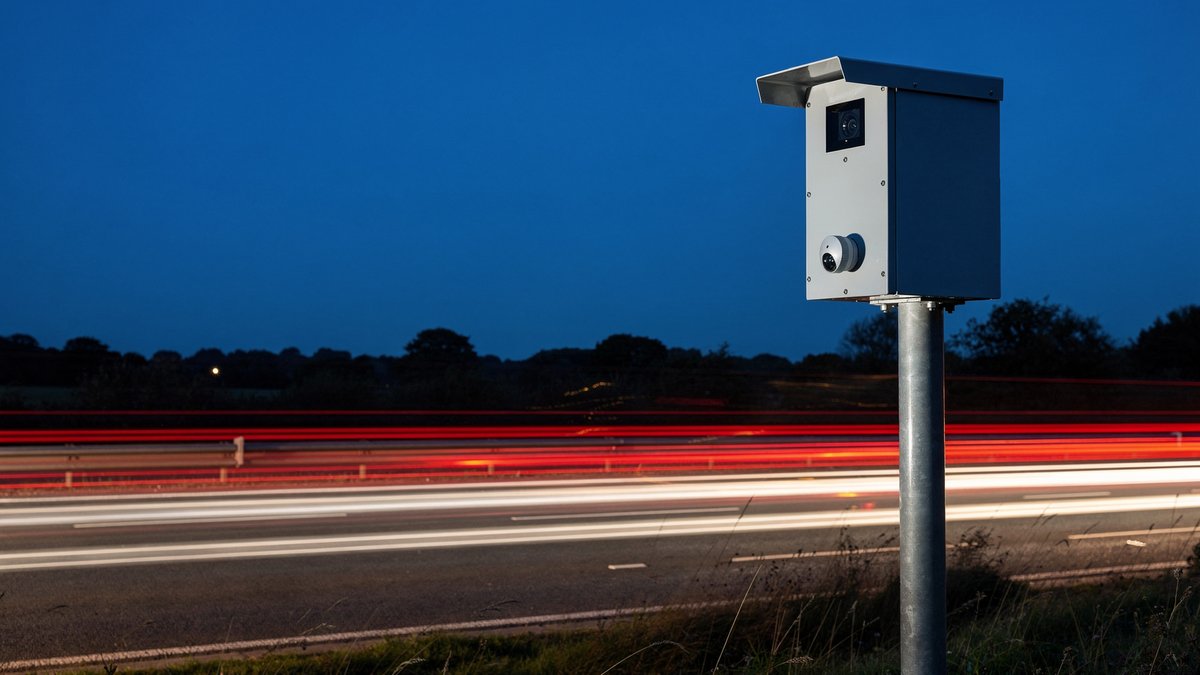
Ghost number plates: what the crackdown means for plate suppliers
A national crackdown on ghost number plates has put plate suppliers in the spotlight. What the law already says, what is still under review, and how to protect your counter and your records.
Read article →